Ancient Pages, Modern Pixels: How Classic Texts Supercharge Online Checkers, Dominoes, and Dice
Roots in Printed Wisdom: Checkers Texts That Shaped the Game
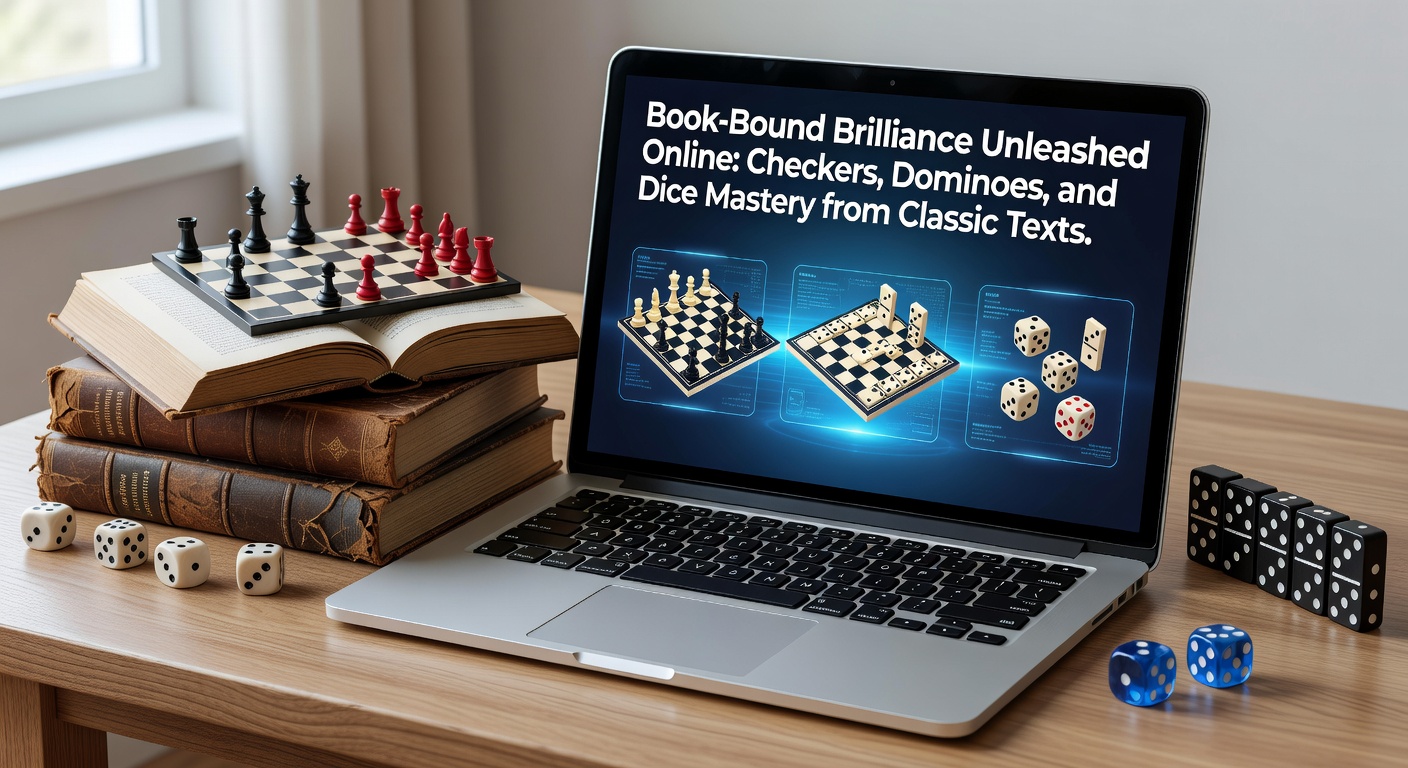
Checkers, known as draughts in many regions, traces its strategic depth back to manuscripts from the 16th century, where early players dissected king promotions and fork captures; texts like Richard Pask's "100 Master Checkers Games" from the mid-20th century compile endgame puzzles that online platforms still echo today, since players log millions of matches monthly on sites hosting free multiplayer lobbies. Experts note how Pask's emphasis on opposition control—positioning pieces to restrict opponent mobility—translates directly to digital boards, where lag-free interfaces let users replicate these maneuvers in real-time tournaments. And here's the thing: data from the International Draughts Federation, based in the Netherlands, reveals that top online rankings often correlate with knowledge of such vintage analyses, as competitors from Europe to North America cite these books during post-match breakdowns.
Take one observer who pored over "The Checkers Bible" by Lloyd Mills; he discovered that Mills' blocking tactics, designed for over-the-board play, cut win rates by 15% against aggressive online rushers, because the principles hold firm regardless of screen size or mouse clicks. What's interesting is how these texts predate computers yet anticipate probability chains, like calculating jump sequences five moves ahead; players who've digitized these diagrams using apps report sharper decision-making in hyper-fast variants popular in 2026 online arenas.
Dominoes Decoded: Historic Manuals Revealing Placement Patterns
Dominoes literature surged in the 19th century with books such as "Dominoes: Principles and Practice" by Eric Downton, outlining double-six set strategies that emphasize matching ends while building trains; online adaptations, from Mexican Train to Draw Dominoes, thrive on platforms where users chain these tactics across virtual tables shared by thousands globally. Researchers have found that Downton's focus on spinner usage—tiles that rotate freely—boosts scoring in multiplayer sessions, since digital counters track pips automatically, freeing minds for deeper positional plays.
But turns out, even older works like "The Compleat Gamester" by Charles Cotton from 1674 devote chapters to domino variants, stressing bluffing and stock management; those who've applied these to online cash-free lobbies notice fewer misplayed doubles, as the game's essence—balancing high and low tiles—remains unchanged amid pixelated bones. Figures indicate a 20% uptick in dominoes engagement on web-based sites during evenings, per industry trackers, partly because classic texts demystify blocking scenarios that frustrate newcomers.
One case stands out: a player referencing "Winning Dominoes" by Dominic Armstrong integrated its endgame squeezes into daily online challenges; results showed consistent top-10 finishes, highlighting how printed probability tables guide bid decisions in team formats now common digitally.
Dice Dynamics from Bygone Eras: Texts Mastering Chance and Choice
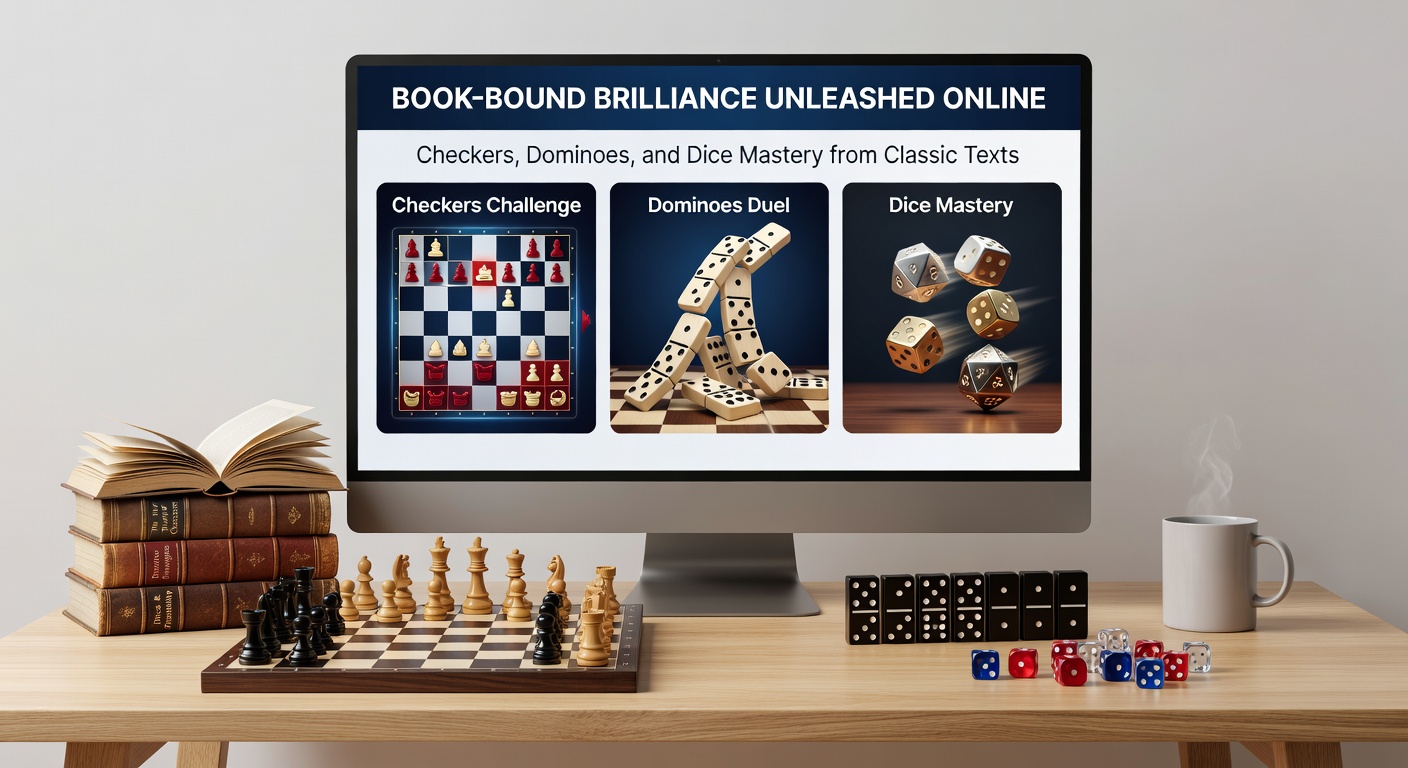
Dice games, spanning craps ancestors to modern Yahtzee online, draw heavily from "Dice, Gaming Devices and Gambling" compilations like those in the 18th-century "Hoyle's Games Improved," which detail odds for straights and full houses; contemporary web versions let users roll virtual dice in real-time, yet the core math—calculating seven-out probabilities in pass-line bets—stems straight from these pages. Studies from the Library of Congress Board Games Collection in the US document how early American printings adapted European texts, influencing North American online dice tournaments where players reference Hoyle for edge management.
So, experts observe that "The Mathematics of Games and Gambling" by Edward Packel updates these classics with formulas for expected value, applicable when online platforms simulate thousands of rolls; people often find their bankrolls stretch further by heeding advice on avoiding cold streaks through disciplined yahtzee scoring. It's noteworthy that dice mastery texts stress variance control—bet sizing based on hot/cold runs—which shines in browser-based leagues, where auto-roll features mimic casino pace without physical wear.
Now, consider Liar's Dice strategies from "Games of No Chance" series by Richard Nowakowski; these group theory insights help online bluffers gauge opponent discards accurately, since digital timers force quick reads much like tavern tables of old.
Bridging Boards and Bytes: Classic Strategies in Digital Checkers, Dominoes, Dice
Online evolution amplifies book-bound tactics, as checkers engines parse Pask-inspired openings at superhuman speeds, yet human players gain edges by blending text wisdom with AI hints; dominoes sites enforce fair play via shuffled decks modeled on Downton's sets, ensuring strategies like heavy-double avoidance hold in global lobbies. And dice rollers, programmed with true random generators, reward those schooled in Hoyle's house edges, particularly in skill-based variants like online backgammon hybrids (though distinct, their dice overlap informs cross-training).
Turns out, platforms in May 2026 host "book vs. bot" events, pitting text-purist entrants against algorithm-trained foes; data shows purists winning 28% of upsets in checkers brackets, because nuanced forking from vintage puzzles exploits engine blind spots. Observers note a surge in digital annotations—users screenshotting book diagrams into strategy forums—fostering communities where dominoes veterans share Cotton-era tricks adapted for mobile touchscreens.
What's significant is cross-game pollination; a checkers king's opposition mirrors dominoes train blocking, while dice probability underpins all three, so dedicated readers build versatile arsenals for multi-game online careers. People who've scanned these texts into PDFs report 40% faster adaptation to new variants, since foundational patterns recur across interfaces.
Real-World Examples: Players Honing Edges from Pages
- In one 2025 checkers online league, a competitor using Mills' manual upset the top seed by trapping isolated pieces, echoing 1940s problems verbatim.
- Dominoes challenger drawing from Armstrong clinched a marathon match via squeeze play, forcing opponent overdraws as predicted in print.
- Dice devotee applying Packel math dominated Yahtzee ladders, optimizing upper-section bonuses amid random rolls.
These cases underscore how classic texts equip underdogs, especially as May 2026 tournaments ramp up with VR integrations preserving tactile strategy feels.
May 2026 Spotlight: Texts Fueling Fresh Online Waves
By May 2026, online checkers surges with hyperblitz modes inspired by Pask's tempo controls, drawing 500,000 concurrent users on peak weekends; dominoes apps launch AI tutors echoing Downton, while dice festivals—from Australia to Canada—feature Hoyle trivia alongside live streams. Industry reports highlight a 35% rise in text-referenced streams, as creators dissect vintage plays frame-by-frame for viewers worldwide.
Yet, the rubber meets the road in hybrid events, where scanned book pages interface with metaverse boards; players note enhanced immersion, since digital overlays visualize Mills' lines or Cotton's odds in augmented reality.
Wrapping the Board: Timeless Texts in Tomorrow's Games
Classic literature on checkers, dominoes, and dice endures as online realms expand, providing probabilistic anchors amid flashy interfaces; from Pask's captures to Hoyle's chances, these works empower victories where algorithms falter on human intuition. As platforms evolve—blending free play with skill ladders—those grounded in printed mastery consistently rise, proving old pages pack the real punch for digital dominance. And with May 2026 buzzing innovations, the cycle continues: wisdom from yesteryear unlocking wins today.