Board Games in the Digital Age: Platforms, Players, and Playstyles
David Vogel · Aug 26, 2026
Board Games in the Digital Age: Platforms, Players, and Playstyles
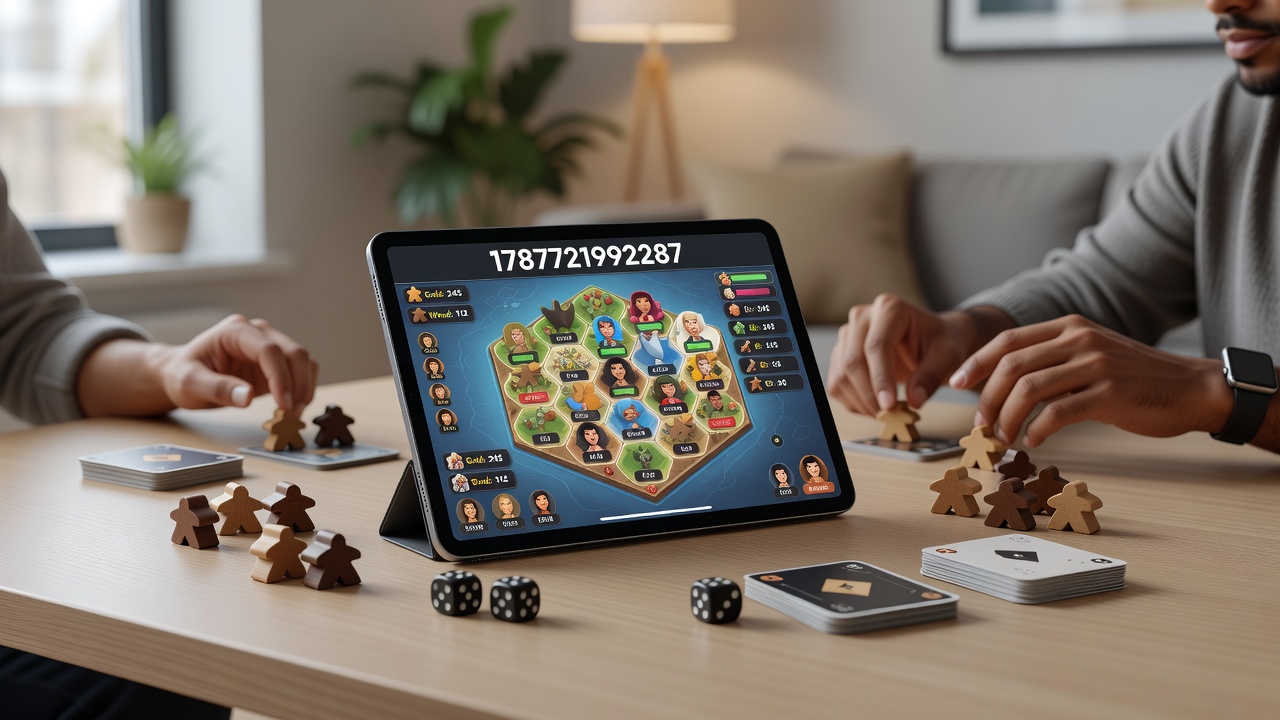
Board games have transitioned from physical tabletops to digital environments where participants connect across distances, and data from industry reports indicate steady growth in participation rates through 2026. Observers note that online versions maintain core rules while adding features such as automated scoring, real-time chat, and matchmaking systems that pair users based on skill levels. Research from the Entertainment Software Association shows millions of users access these platforms monthly, with sessions often lasting between thirty minutes and several hours depending on the title selected.
Platform Development and Accessibility Features
Developers have built interfaces that support multiple operating systems, allowing seamless play on computers, tablets, and smartphones without requiring downloads in many cases. Turn-based mechanics accommodate varying schedules since participants can log in at different times to complete moves, while live modes replicate simultaneous actions found in traditional settings. Those who study user behavior report that tutorial systems integrated into applications reduce learning curves for newcomers, guiding them through sequences step by step with visual prompts and rule summaries available at any moment.
Player Demographics and Participation Trends
Statistics compiled by various research institutions reveal diverse age groups engaging with online board games, spanning children learning basic strategy through adults seeking competitive outlets. In August 2026 figures released by gaming associations highlighted increased activity among users in North America and Europe, where average session times extended during summer months due to school breaks and flexible work arrangements. Community forums document groups organizing regular events, including tournaments that award digital badges or rankings visible to all participants.
Rule Adaptations and Strategic Elements
Digital formats sometimes introduce variations such as timed moves to maintain pace or optional expansions that unlock additional content after initial plays. Players often discover that automated enforcement prevents disputes over interpretations, ensuring consistent application across matches. Case examples from platform analytics show popular titles like chess variants and resource management games drawing repeat users who refine tactics through repeated exposure and post-game reviews provided by the software itself.
Community Building and Social Interactions
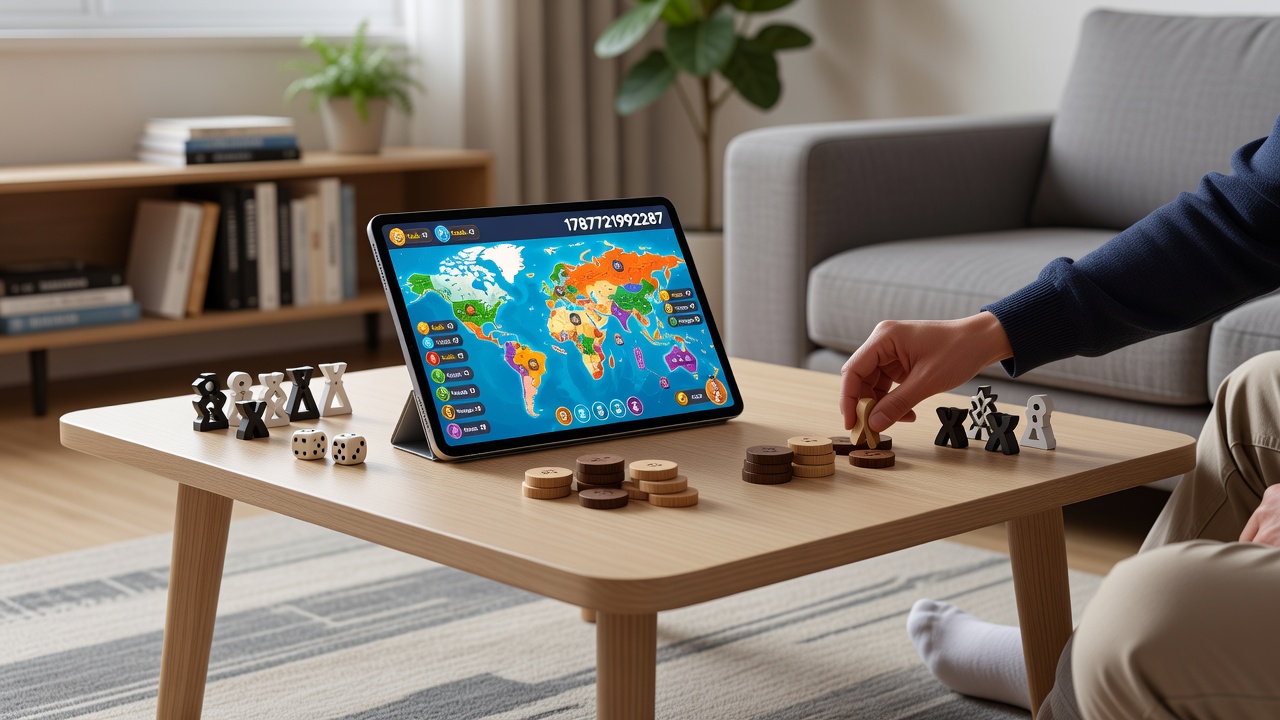
Integrated voice and text options foster connections among strangers who become regular opponents, creating networks that extend beyond single sessions. Data indicates many users form clubs centered around specific genres, sharing recordings of notable plays for analysis and discussion. Academic papers from Canadian universities have examined how these interactions mirror in-person dynamics yet offer greater flexibility for those in remote locations or with mobility considerations.
Technical Considerations and Security Measures
Platform operators implement encryption protocols and account verification to protect user information during matches, with regulatory bodies in Australia and the European Union providing guidelines on data handling practices. Updates released periodically address bugs reported by the player base, while moderation tools help maintain respectful environments. Observers note that cross-device synchronization allows progress to carry over, reducing frustration when switching between home and mobile setups.
Conclusion
Online board games continue to evolve through technological refinements and expanding user bases, supported by ongoing developments in software design and community engagement. Information from multiple sources confirms sustained interest across regions, with platforms adapting to accommodate both casual and dedicated participants through flexible features and accessible interfaces.