Chance Intersections: Dice Probabilities Guiding Strategic Choices in Online Multiplayer Abstracts

Multiplayer abstract online events continue to blend chance mechanics with player decisions, and dice probabilities stand at the center of that blend. Observers note that participants in these digital competitions must account for numerical distributions when building formations, whether in games featuring direct dice rolls or hybrid systems that incorporate random elements alongside placement rules.
Core Probability Structures in Abstract Formats
Standard six-sided dice generate outcomes with known frequencies, yet abstract events layer additional variables through board states and opponent interactions. Data from tournament logs shows that formations relying on repeated rolls achieve stability only when players calculate expected values across multiple turns, because a single high-probability sequence can shift control of key positions. Researchers at institutions such as the University of Waterloo have documented how these calculations translate into measurable advantages during extended sessions.
Abstract titles often restrict movement options to fixed grids or connection patterns, which means dice results interact directly with positional scarcity. When two players contest the same cluster of spaces, the probability of securing reinforcement through a favorable roll rises in importance, and strategic formations adjust accordingly by spreading risk across several potential paths rather than concentrating on one line of advance.
Formation Building Under Variable Outcomes
Players construct defensive and offensive shapes that accommodate both favorable and unfavorable distributions. In events held during May 2026, platform analytics revealed that successful participants favored modular structures capable of absorbing variance, because rigid setups collapsed more often when dice sequences deviated from the mean. Those formations typically incorporated buffer zones that allowed recovery after low rolls while preserving offensive pressure on higher-probability turns.
Multiplayer dynamics add another layer, since simultaneous rolls by several competitors create compound probability fields. One formation might block an opponent’s expected advance, yet the same configuration could expose a different player to an alternate route that carries its own odds. Studies tracking session data indicate that adaptive regrouping after each round of rolls correlates with longer survival times in elimination brackets.
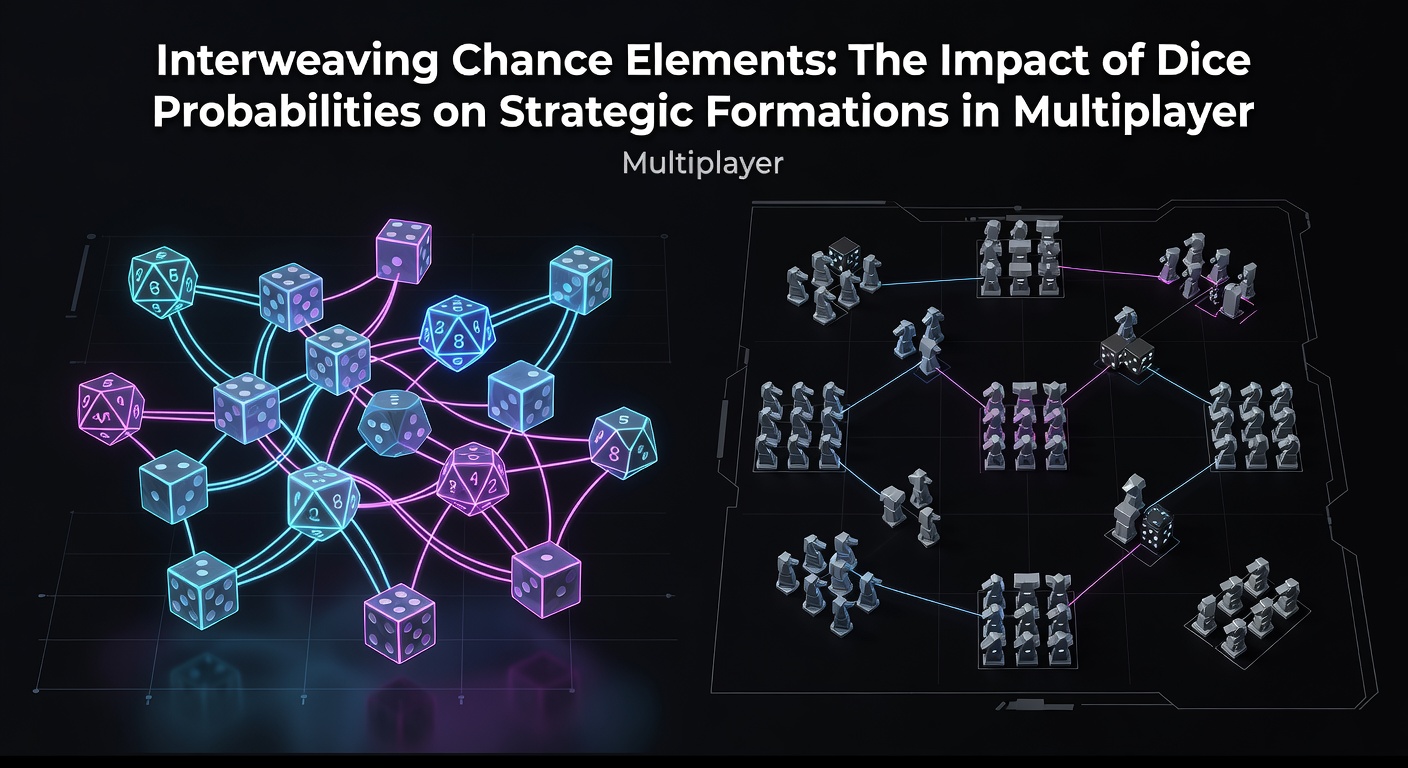
Abstract rulesets that permit chaining of moves after certain rolls reward formations that maintain connectivity. When a roll permits multiple follow-up actions, the ability to pivot between defensive reinforcement and forward expansion becomes decisive, and probability tables help participants decide whether to commit resources immediately or hold positions for subsequent opportunities.
Comparative Patterns Across Event Types
Online platforms hosting cash-prize and free-entry formats display consistent patterns in how dice probabilities shape play. Cash events tend to feature tighter formation margins because participants optimize for expected value over many rounds, while free tournaments allow broader experimentation with high-variance structures. Figures released by industry monitoring groups such as the Esports Observer research series confirm that both categories reward familiarity with distribution curves rather than reliance on isolated lucky sequences.
Hybrid events that combine dice with placement mechanics further illustrate the point. Participants who treat each roll as an input into a larger positional equation maintain higher placement rates than those reacting move by move. Observers tracking May 2026 leaderboards noted that top-ranked accounts repeatedly employed pre-calculated response trees covering the most common outcome clusters, allowing rapid selection among viable formations without extended deliberation during live play.
Measurement and Adjustment Practices
Event organizers supply participants with statistical overlays that display running probabilities for remaining board states. These tools do not eliminate chance, yet they supply the raw frequencies needed for informed formation adjustments. Data indicates that accounts using such overlays complete matches with fewer exposed weaknesses compared with those operating from intuition alone.
Regional differences appear in how players integrate probability information. North American sessions often emphasize aggressive expansion after favorable early rolls, whereas European brackets show more conservative spacing that preserves options across wider outcome ranges. Australian platforms, according to records from the Australian Communications and Media Authority digital gaming reports, record intermediate styles that blend both approaches depending on field size.
Conclusion
Dice probabilities remain a defining constraint within multiplayer abstract online events, shaping the formations participants select and the timing of their commitments. Records from ongoing competitions demonstrate that systematic attention to distribution patterns produces measurable differences in advancement rates, while platforms continue to refine tools that surface relevant frequencies during live sessions. The interplay between random outcomes and deliberate positioning continues to define the strategic landscape of these digital competitions.