Digital Dice Rolls: How Online Platforms Are Transforming Board Game Play
Logan Jenkins · Aug 23, 2026
The Transformation of Board Games Through Online Connectivity
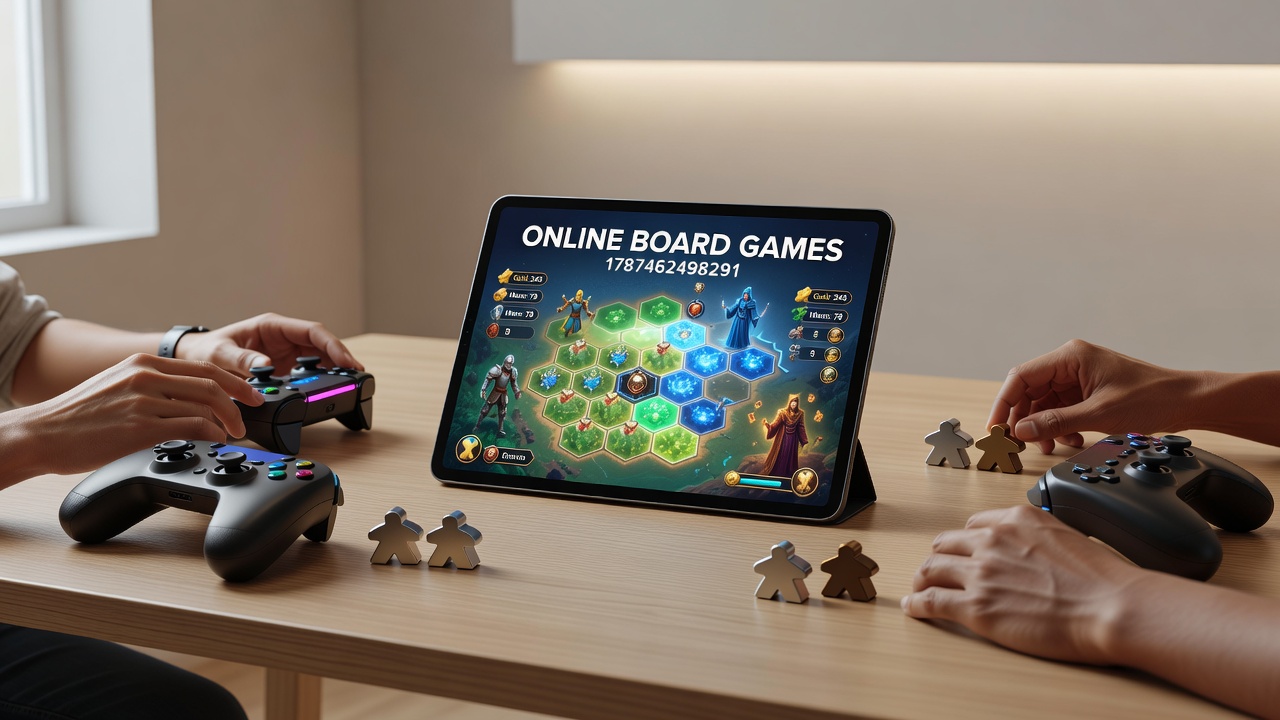
Board games have moved beyond physical tables into digital spaces where participants from different locations join the same match in real time, and this shift accelerated as broadband access expanded globally during the past decade. Developers adapted rulesets from centuries-old designs into interfaces that handle turns, scoring, and opponent matching automatically, while players retained the core strategic elements that defined the originals. Data from industry reports shows participation in digital versions of board games grew steadily, with figures revealing millions of active users across multiple continents by early 2026. Observers note that platforms now support hundreds of titles ranging from abstract strategy games to resource management simulations, and these services often include tutorials that explain mechanics without requiring prior experience. Users log in through browsers or dedicated applications, select opponents based on skill level or random pairing, and complete sessions that last anywhere from ten minutes to several hours depending on the chosen game. Research indicates that mobile compatibility played a significant role in broadening reach, because many participants access matches during commutes or short breaks rather than committing to dedicated gaming setups.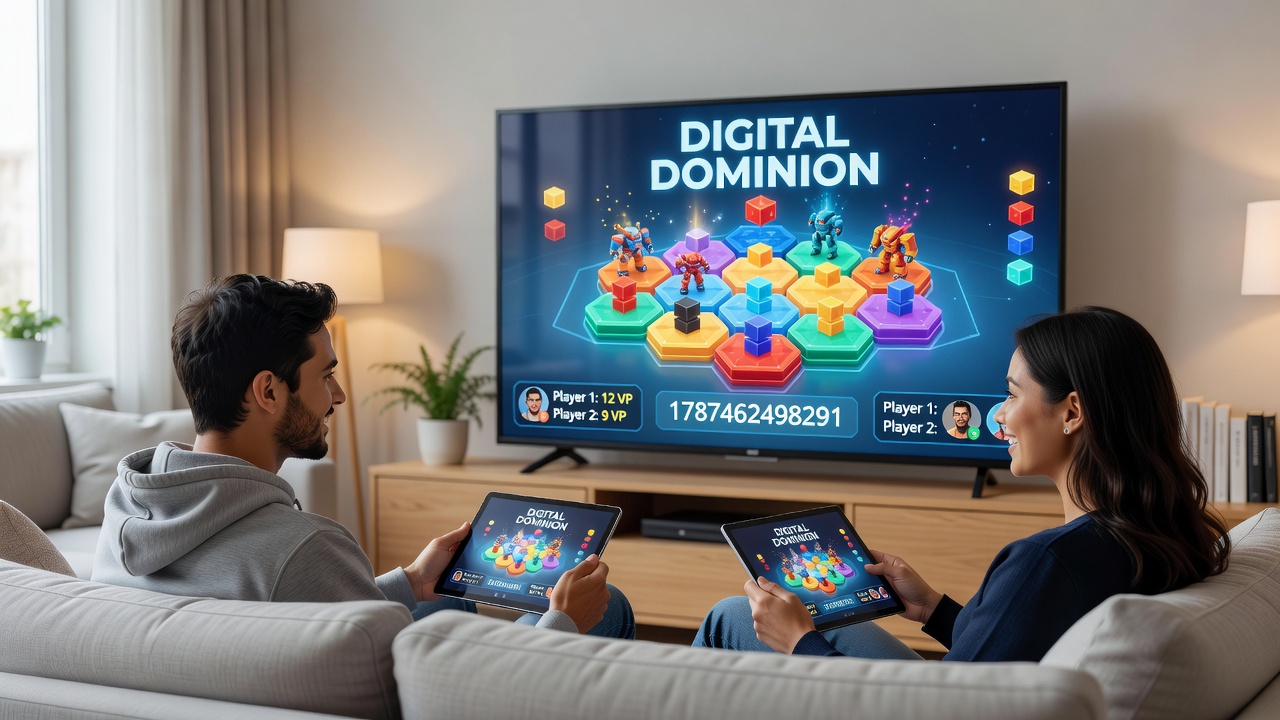 Communities formed around specific titles maintain forums and discussion channels where strategies receive analysis and new players receive guidance, and these spaces often operate independently of the hosting platforms. Studies conducted by university researchers have documented how online environments foster repeated interactions among strangers who develop ongoing rivalries or collaborative partnerships. Participation data collected across North America and Europe shows balanced representation across age groups, with notable engagement from adults aged twenty-five to forty-five who cite convenience as a primary factor. Tournaments organized through digital platforms follow structured formats that include qualification rounds and prize pools funded by entry fees or sponsorships, and governing bodies such as the Interactive Software Federation of Europe have tracked compliance with regional standards for fair play. Observers highlight that streaming services integrated with certain platforms allow spectators to watch ongoing matches, which introduces new audiences and creates opportunities for commentary that explains advanced tactics.
Board games have moved beyond physical tables into digital spaces where participants from different locations join the same match in real time, and this shift accelerated as broadband access expanded globally during the past decade. Developers adapted rulesets from centuries-old designs into interfaces that handle turns, scoring, and opponent matching automatically, while players retained the core strategic elements that defined the originals. Data from industry reports shows participation in digital versions of board games grew steadily, with figures revealing millions of active users across multiple continents by early 2026. Observers note that platforms now support hundreds of titles ranging from abstract strategy games to resource management simulations, and these services often include tutorials that explain mechanics without requiring prior experience. Users log in through browsers or dedicated applications, select opponents based on skill level or random pairing, and complete sessions that last anywhere from ten minutes to several hours depending on the chosen game. Research indicates that mobile compatibility played a significant role in broadening reach, because many participants access matches during commutes or short breaks rather than committing to dedicated gaming setups.Platform Features and Technical Developments
Modern online systems incorporate real-time synchronization so moves register instantly for all participants, and chat functions allow discussion of strategy or casual conversation during play. Automated rule enforcement prevents illegal actions, which reduces disputes that sometimes arise in face-to-face settings. Those who have examined usage patterns find that asynchronous modes, where players submit turns over extended periods, appeal to individuals with irregular schedules, whereas synchronous modes attract groups seeking immediate competition. August 2026 brought updates to several major services that introduced improved matchmaking algorithms and expanded language support, allowing broader international participation. Developers integrated accessibility options such as color-blind modes and adjustable timers, addressing needs that physical versions could not easily accommodate. Figures from the Entertainment Software Association reveal that digital adaptations of traditional games now represent a growing segment within the broader gaming market, with revenue streams derived from subscriptions, one-time purchases, and optional cosmetic upgrades.Community Dynamics and Demographic Patterns
Communities formed around specific titles maintain forums and discussion channels where strategies receive analysis and new players receive guidance, and these spaces often operate independently of the hosting platforms. Studies conducted by university researchers have documented how online environments foster repeated interactions among strangers who develop ongoing rivalries or collaborative partnerships. Participation data collected across North America and Europe shows balanced representation across age groups, with notable engagement from adults aged twenty-five to forty-five who cite convenience as a primary factor. Tournaments organized through digital platforms follow structured formats that include qualification rounds and prize pools funded by entry fees or sponsorships, and governing bodies such as the Interactive Software Federation of Europe have tracked compliance with regional standards for fair play. Observers highlight that streaming services integrated with certain platforms allow spectators to watch ongoing matches, which introduces new audiences and creates opportunities for commentary that explains advanced tactics.