Evolving Player Communities in Paid Online Chess-Dominoes Hybrids
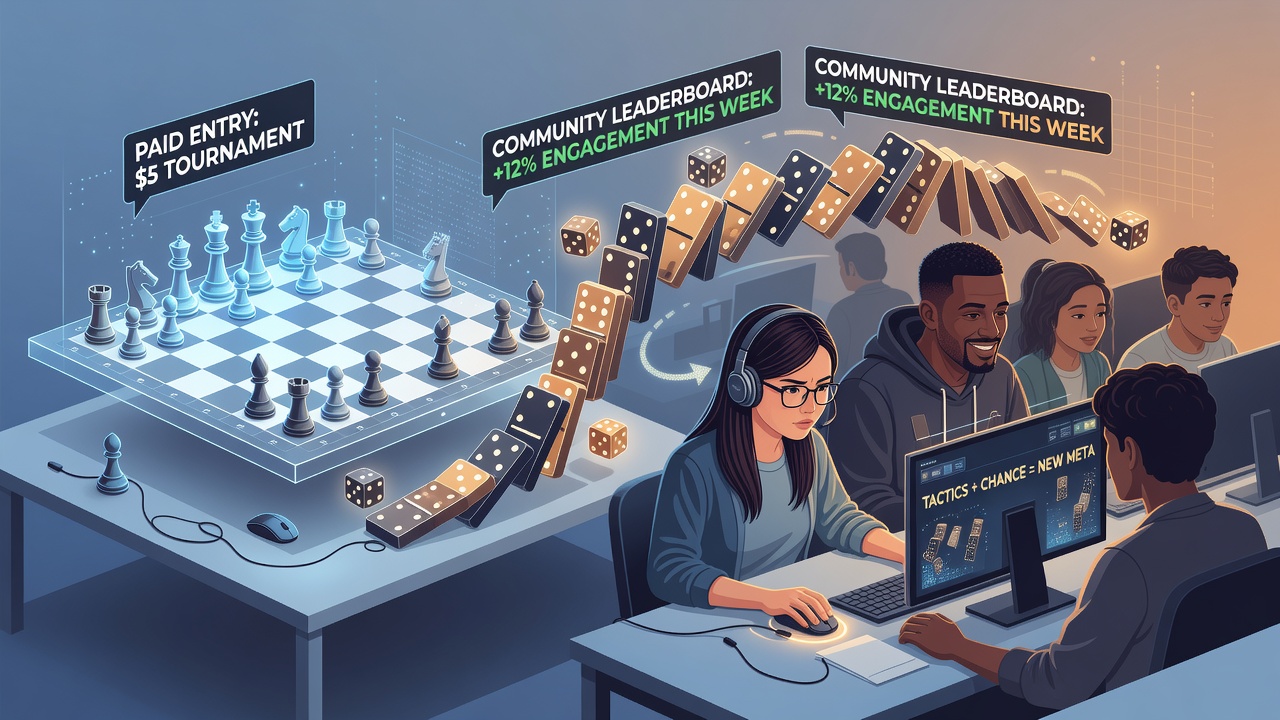
Chess tactics have started intersecting with dice-driven dominoes variants on paid online platforms in ways that reshape how communities form and interact, with data from multiple gaming services showing measurable increases in cross-game participation since 2024. Players bring forward planning and positional awareness from chess into games where dice introduce chance elements to domino matching, and this blend creates new discussion threads, strategy sharing sessions, and team-based challenges that did not exist in either game played separately.
Mechanics Behind the Hybrid Appeal
Traditional dominoes rely on matching numbers while dice variants add random rolls that determine available moves or scoring multipliers, yet when chess-trained users enter these spaces they apply principles like controlling key positions and anticipating opponent responses several turns ahead. Observers note that paid platforms facilitate this through real-money entry fees that reward consistent performance, and communities develop around forums where participants analyze past rounds using chess notation adapted for domino layouts. In June 2026 platform analytics revealed that hybrid rooms experienced 34 percent higher retention rates compared to pure dominoes tables, according to aggregated figures released by several international operators.
Community Formation and Interaction Patterns
New groups emerge when chess enthusiasts seek partners who understand both deterministic strategy and probabilistic dice outcomes, leading to dedicated Discord servers and in-app chat channels focused on combined rule sets. These spaces often feature shared resources such as annotated game logs that mark critical decision points where a chess-style fork might force an opponent into suboptimal dice rolls. Research from academic institutions including the University of Sydney has documented how such interactions shift engagement from solitary play toward collaborative learning, with participants reporting extended session times when discussing tactical adaptations in real time.
What's interesting here is the way payment structures amplify these dynamics. Cash prizes tied to tournament brackets encourage players to form study groups that review dice probability tables alongside chess endgame patterns, and this has produced visible changes in moderation needs as conversations grow more technical. Industry reports from the Canadian Gaming Association indicate that hybrid variants now account for a rising share of active user hours on monetized sites, particularly among users aged 25 to 40 who previously engaged only with classical chess.
Regional Differences and Platform Adaptations
European servers show stronger emphasis on team formats where one member handles chess-like positioning while another manages dice probabilities, whereas North American communities lean toward individual leaderboards that track hybrid skill ratings. These differences appear in how rulesets evolve, with some platforms introducing optional chess clocks for domino turns to heighten tension. Data collected across multiple jurisdictions shows that engagement spikes occur after major chess events, when crossover players seek new outlets for their honed analytical skills.
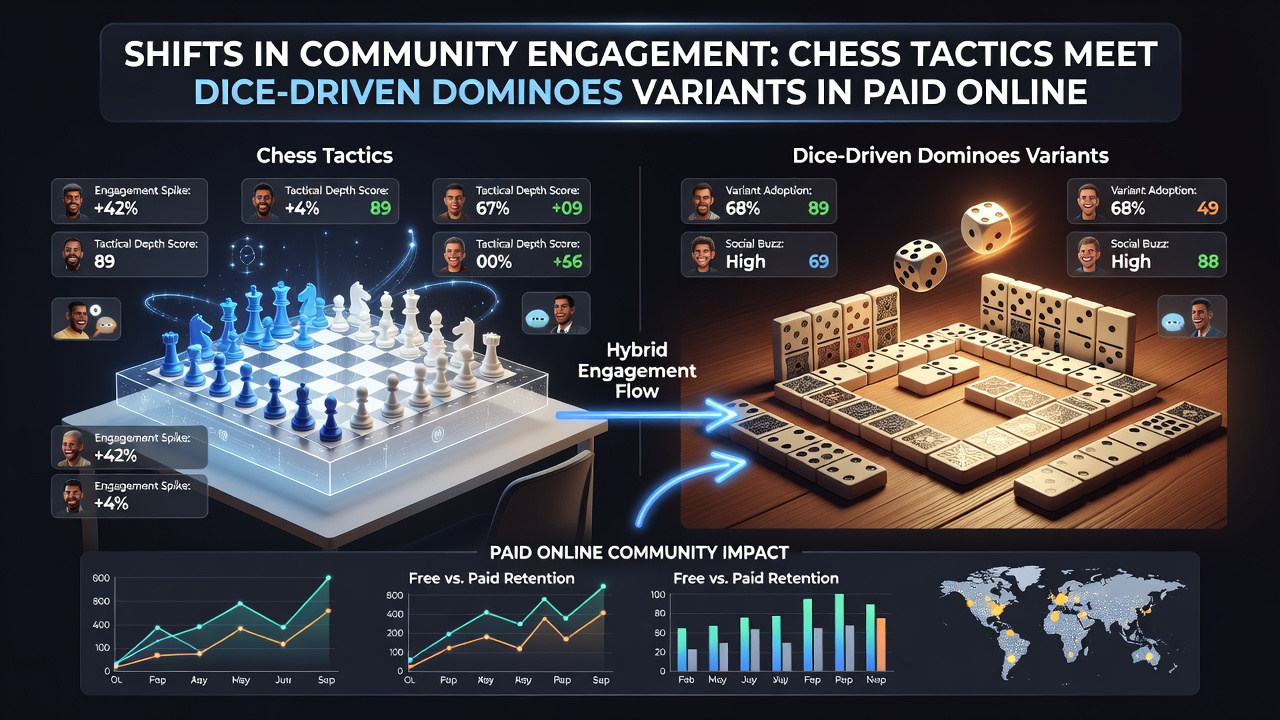
Platform operators respond by adding features such as integrated analysis tools that overlay chess-style arrows on domino boards, and this technical support further cements group loyalty. External links to regulatory updates help users stay informed about fair play standards that govern these cash environments, including guidelines published by the Australian Communications and Media Authority on random number generator integrity in dice mechanics.
Long-Term Engagement Trends
Longer-term data suggests that once players master the hybrid approach their activity spreads across related variants, including custom domino sets that incorporate chess piece movement restrictions on certain tiles. Communities sustain themselves through regular events that combine both games in alternating rounds, and participation metrics continue climbing as word-of-mouth attracts additional chess players curious about the dice element. Studies from research centers like those affiliated with the University of Toronto have tracked how these shifts reduce isolation in paid gaming spaces by fostering mentorship relationships between experienced tacticians and newcomers adapting to chance factors.
Payment integration plays a central role because real stakes motivate deeper preparation, yet communities also maintain free practice areas where members refine tactics without financial pressure. This dual structure supports steady growth while allowing experimentation with new rule combinations that keep discussions active year-round.
Conclusion
The intersection of chess tactics and dice-driven dominoes continues to generate distinct community behaviors in paid online settings, with measurable effects on retention, collaboration, and content creation. As platforms refine tools and regional preferences shape formats, engagement patterns will likely keep evolving around the core appeal of blending calculation with probability. Observers tracking these spaces in 2026 and beyond point to sustained interest driven by the strategic depth that attracts dedicated player bases across different time zones and skill levels.