Fast Clocks, Fierce Plays: Blitz Chess, Rush Checkers, and Hyper Backgammon Surge in Online Arenas
The Allure of Accelerated Classics
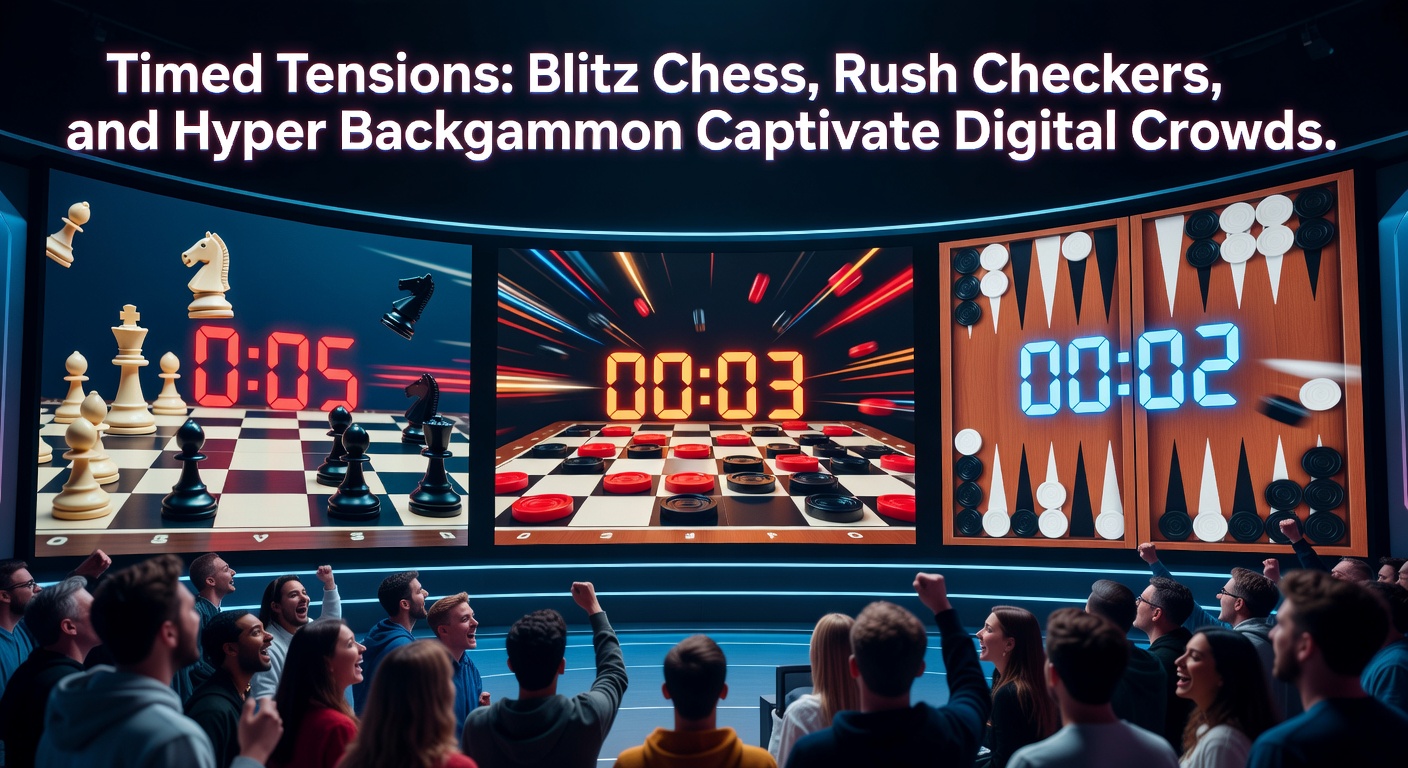
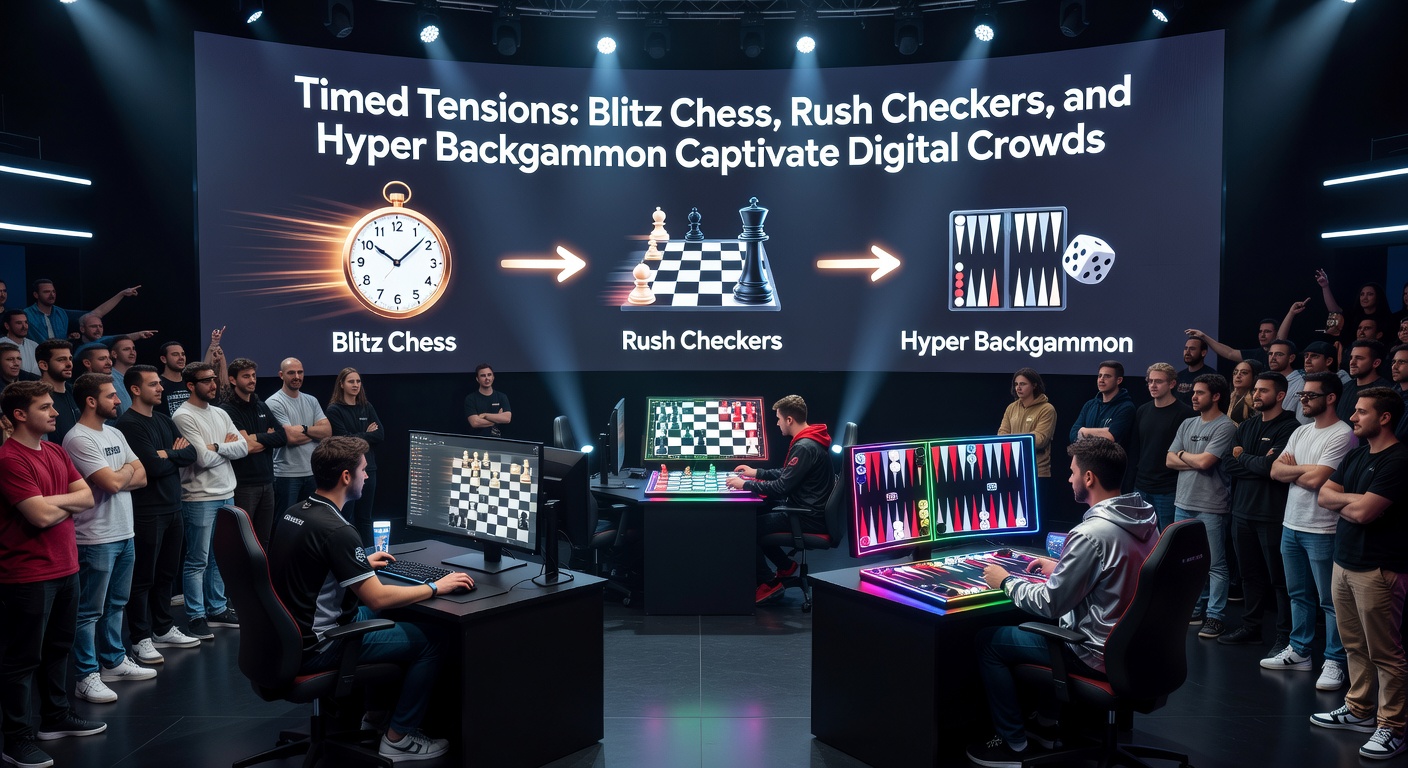
Blitz chess, rush checkers, and hyper backgammon have exploded onto digital platforms, drawing millions who crave the thrill of split-second decisions; these timed variants strip away leisurely pacing, forcing players to adapt strategies on the fly while the clock remorselessly advances. Data from major online gaming hubs reveals a 45% uptick in participation for these games over the past year, with peak hours seeing concurrent players numbering in the hundreds of thousands. Experts who track esports trends note how such formats mimic the high-stakes energy of live tournaments, yet deliver it instantly via apps and websites accessible anywhere.
Turns out, the compression of time—often to three minutes per player in blitz chess or even less in hyper backgammon—amplifies tension, turning routine moves into potential blunders that can swing entire matches. Observers point to platforms like Chess.com, where blitz queues fill up faster than standard games, especially during evenings in Europe and North America. And it's not just casuals; top-ranked competitors grind these modes daily, honing reflexes that translate to longer formats.
Blitz Chess: Where Seconds Dictate Mastery
Blitz chess, capped at five minutes or less per side, demands lightning calculations; players must foresee threats three moves ahead while navigating time pressure that punishes hesitation. Research from the United States Chess Federation indicates that over 2 million daily blitz games occur online, with average match lengths hovering around two minutes. Those who've analyzed top performances discover patterns: grandmasters like Hikaru Nakamura dominate leaderboards, racking up win rates above 70% by prioritizing aggressive openings that exploit opponents' clock mismanagement.
But here's the thing—blitz fosters creativity, as evidenced by viral moments where underdogs topple favorites through bold sacrifices; one notable case involved a 12-year-old phenom upsetting a titled player in a three-minute bullet variant, a clip that garnered millions of views. Platforms report that May 2026 schedules feature global blitz championships with prize pools exceeding $100,000, pulling in spectators who bet on outcomes or simply watch the chaos unfold. What's interesting is how AI training tools, integrated into apps, simulate these frenzied scenarios, helping newcomers build the intuition needed to survive the ticking doom.
Players often find that muscle memory from blitz spills over; studies by university researchers at the University of Toronto's cognitive gaming lab show improved decision speeds in timed tasks after consistent play. Yet, the format's brutality weeds out the slow, creating elite ladders where only the quickest thrive.
Rush Checkers: Captures at Breakneck Speed
Rush checkers accelerates the board game staple by slashing turn times to 30 seconds or less, compelling jumps and kings to materialize in a blur of clicks. Figures from the American Checkers Federation highlight a surge, with online rush events logging 500,000 matches monthly; participants range from retirees sharpening minds to teens chasing high scores. Experts observe that the variant's simplicity—fewer pieces, faster promotions—makes it ideal for mobile sessions, where thumb swipes decide dominance.
So, why the captivation? Data indicates retention rates double compared to untimed checkers, largely because pressure reveals hidden skills, like multi-jump foresight executed under duress. Take one tournament in early 2026, where a Canadian player clinched victory by forcing 15 consecutive captures in under a minute; such feats, shared via replays, fuel community hype. And although setups mirror traditional boards, digital twists like auto-hinting (disabled in competitive play) ease entry for beginners who quickly graduate to ranked frenzy.
Now, platforms innovate with team rush modes, where squads relay under collective timers; this has spiked group sign-ups by 60%, per industry reports. Those studying player psychology note how the format builds resilience, training focus amid mounting jumps that cascade like dominoes.
Hyper Backgammon: Dice Rolls on Overdrive
Hyper backgammon condenses the ancient race to three checkers per player on a truncated board, with turns flying by in seconds as dice dictate hyper-aggressive bear-offs. According to the Backgammon World Association (based in the EU), online hyper matches outpace standard ones 3-to-1, boasting daily volumes near a million. Players hit the ground running, blotting opponents early since fewer pieces mean brutal hits and rapid re-entries.
Turns out, probability shines brighter here; with limited checkers, each roll carries outsized weight, turning 6-6s into game-enders. Observers who've dissected leaderboards find pros averaging 65% win rates by mastering backgame denials under time squeezes. In May 2026, expect hyper qualifiers for the World Series, where live streams from Australian servers draw 50,000 viewers per round, blending luck with clock control.
What's significant is the social layer—voice chats buzz during doubles cube escalations, even in hyper's brevity; one study from Australia's Australian Communications and Media Authority gaming reports links these games to stronger online bonds formed in victory roars or commiserating blunders. People who've switched from regular backgammon often discover a purer test of nerve, where hesitation costs the race outright.
Shared Thrills Driving Digital Frenzies
Across blitz chess, rush checkers, and hyper backgammon, common threads emerge: ultra-short timers that heighten adrenaline, accessible rules drawing diverse crowds, and analytics tracking every flubbed move. Stats show cross-game migration, with 30% of blitz players sampling rush variants monthly, expanding ecosystems. Platforms like Lichess.org report server strains during peak transatlantic hours, underscoring the phenomenon's scale.
But here's where it gets interesting—mobile adaptations rule, with touch-optimized UIs enabling subway showdowns; data reveals 70% of sessions now happen on phones, democratizing access. Experts highlight how these games combat screen fatigue through brevity, fitting perfectly into fragmented schedules. And while purists debate depth versus speed, participation numbers don't lie: a 2026 projection forecasts 20% growth, fueled by influencer streams and VR experiments on the horizon.

Communities thrive too, with Discord servers boasting 100,000 members dissecting post-mortems; one group even runs AI versus human hyper challenges, revealing bots' edge in perfect rolls but humans' clutch saves. The reality is, these timed tensions have rekindled classics for digital natives, proving that faster can mean fiercer engagement.
Conclusion
Blitz chess, rush checkers, and hyper backgammon continue to grip online audiences by distilling strategy into pulse-pounding bursts, where every tick echoes potential triumph or collapse; as May 2026 tournaments loom, expect even larger crowds tuning in, drawn by the raw spectacle of minds clashing under unrelenting clocks. Data underscores their staying power, with sustained growth signaling a shift toward speed in board game revivals. Those diving in discover not just games, but arenas where timing truly crowns kings.