Skill Layers Unlocked: Observing Advancement in Remote Play of Classic Strategy Matches
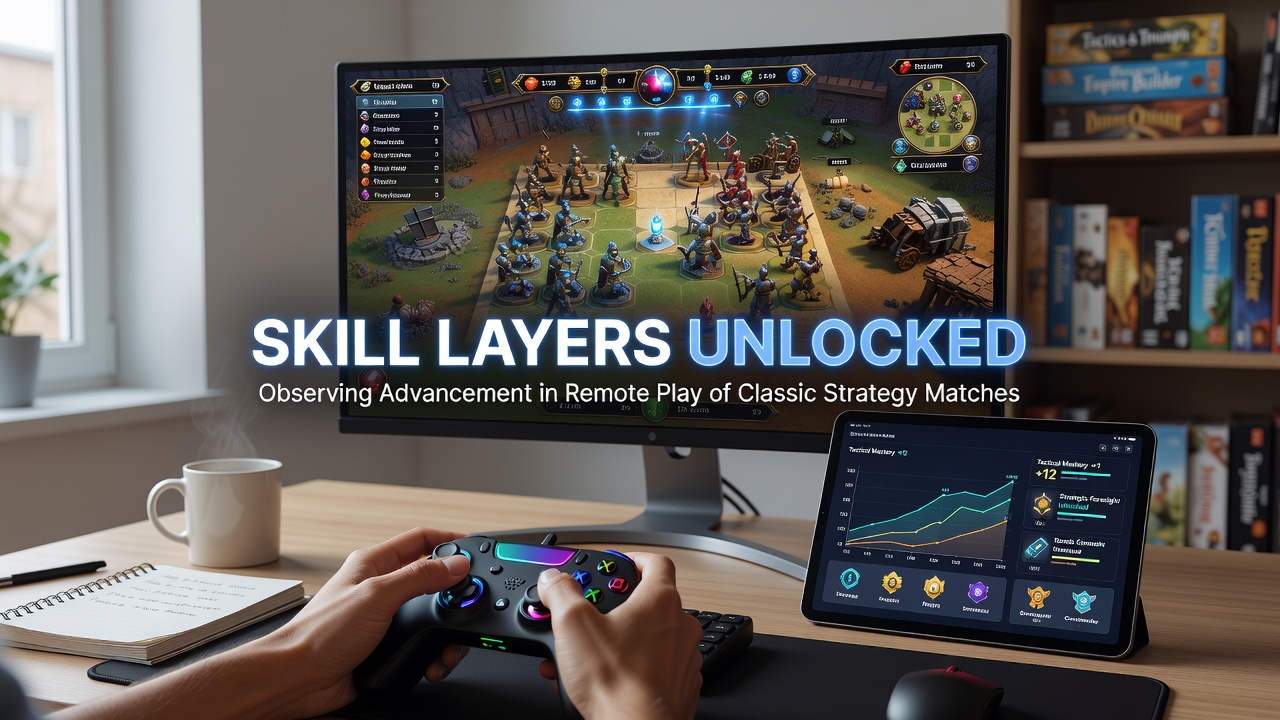
Remote play of classic strategy matches has opened new avenues for tracking how participants develop layered competencies over time, and observers note distinct patterns emerging across platforms dedicated to games such as chess, checkers and similar titles. Data collected through these digital environments reveals measurable steps in player advancement that were harder to quantify in traditional face-to-face settings, with analytics capturing move accuracy, decision speed and long-term consistency. Researchers from various academic institutions have examined these records to map out the progression from basic rule mastery to sophisticated positional understanding.
Platforms hosting remote matches generate detailed logs that break down performance into categories often described as skill layers, beginning with foundational tactics and advancing toward integrated strategic planning. In June 2026 several industry reports highlighted increased participation rates, noting that users spent extended sessions reviewing post-match breakdowns which in turn accelerated improvement cycles. Those who study these trends point out that remote interfaces allow repeated exposure to high-level examples, enabling players to unlock successive layers without geographic constraints.
Digital Analytics Driving Observable Progress
Analytics tools embedded in remote play systems record thousands of data points per match, and these figures reveal correlations between practice volume and layer advancement rates. For instance studies conducted by European research centers have shown that consistent engagement with archived games leads to faster acquisition of endgame techniques compared with sporadic in-person play. Participants often review heat maps of their own decisions which highlight weaknesses in specific layers such as pawn structure evaluation or piece coordination, prompting targeted drills that address those gaps directly.
What's interesting is how remote environments facilitate comparative analysis against global opponents at similar stages, and this exposure helps players identify when they have unlocked a new layer through improved win rates in previously challenging scenarios. Observers tracking these metrics across multiple regions report steady climbs in average rating distributions, particularly in categories that measure tactical vision and long-term planning.
Layered Development in Remote Settings
Skill layers typically unfold in sequence during remote strategy sessions, starting with immediate threat recognition and moving toward anticipatory maneuvers that account for opponent psychology. Data from North American gaming associations indicates that players who utilize built-in tutorials alongside live matches demonstrate accelerated transitions between these layers, often within weeks rather than months. Remote formats also support asynchronous review, allowing individuals to pause and examine critical junctures repeatedly until patterns become internalized.
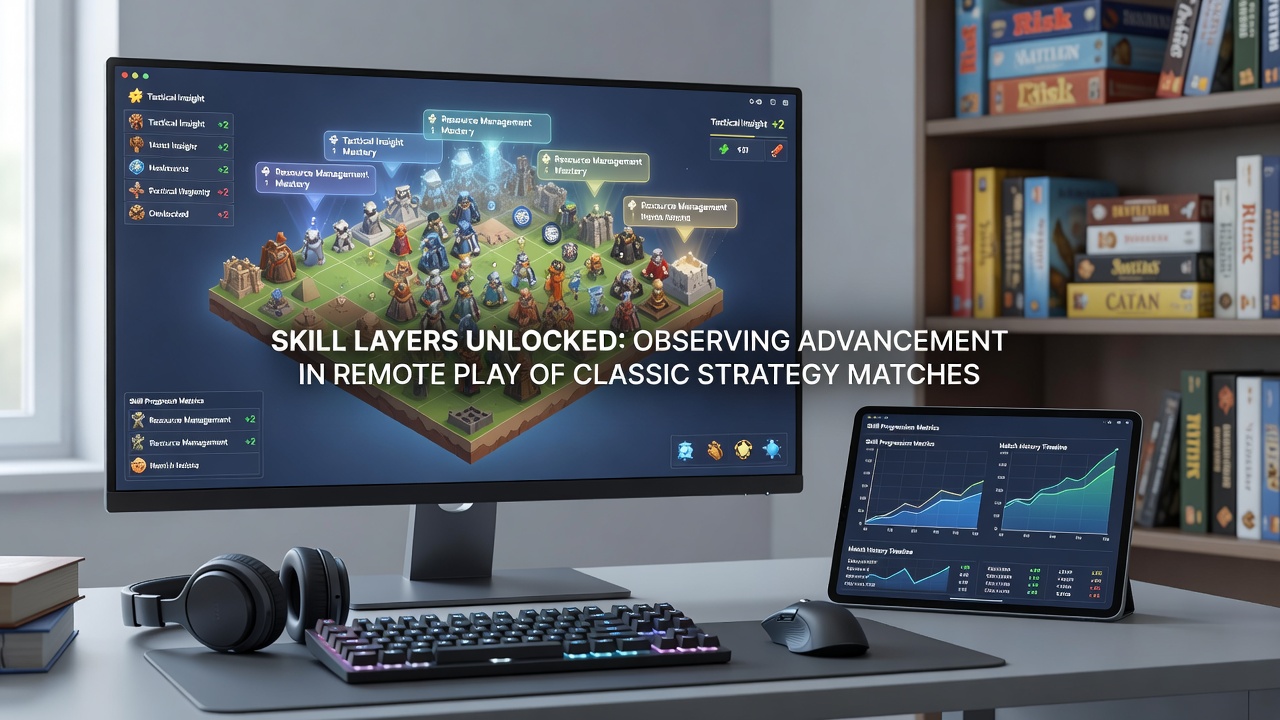
Case examples shared by platform administrators illustrate this progression clearly, with one documented instance showing a participant advancing through five distinct layers over a six-month period tracked via rating fluctuations and move-quality scores. Such observations underscore how remote play compresses learning timelines by providing immediate feedback loops unavailable in many offline contexts. Those examining longitudinal data note that mid-level layers involving sacrifice calculations and defensive resilience show particularly strong gains when players engage with diverse opponent pools.
Broader Patterns Across Classic Titles
Similar advancement patterns appear across various classic strategy matches hosted remotely, and evidence suggests the underlying mechanisms remain consistent regardless of specific rulesets. Reports compiled by Australian academic groups emphasize the role of community forums integrated into these platforms, where shared analyses of notable games reinforce layer unlocking for collective user bases. Participants frequently reference these discussions to refine approaches in areas like opening preparation or time-management strategies during extended matches.
Remote accessibility has also enabled cross-generational participation that contributes fresh perspectives on established tactics, with younger users often introducing computational insights while veterans provide historical context. Figures from ongoing platform monitoring reveal sustained growth in multi-layer proficiency metrics through 2026, reflecting broader adoption of remote formats for both casual and competitive engagement.
Conclusion
Remote play continues to illuminate pathways of skill advancement in classic strategy matches through granular data collection and accessible review tools. Observers and researchers alike document steady layer progression that benefits from global connectivity and analytical support, creating environments where measurable improvement becomes a consistent outcome rather than an occasional result. As these systems evolve they offer increasingly precise maps of how participants move from novice foundations to expert integration across diverse game types.