Skill Transfer Patterns Surface When Chess Tactics Meet Domino Variants in Monetized Digital Arenas
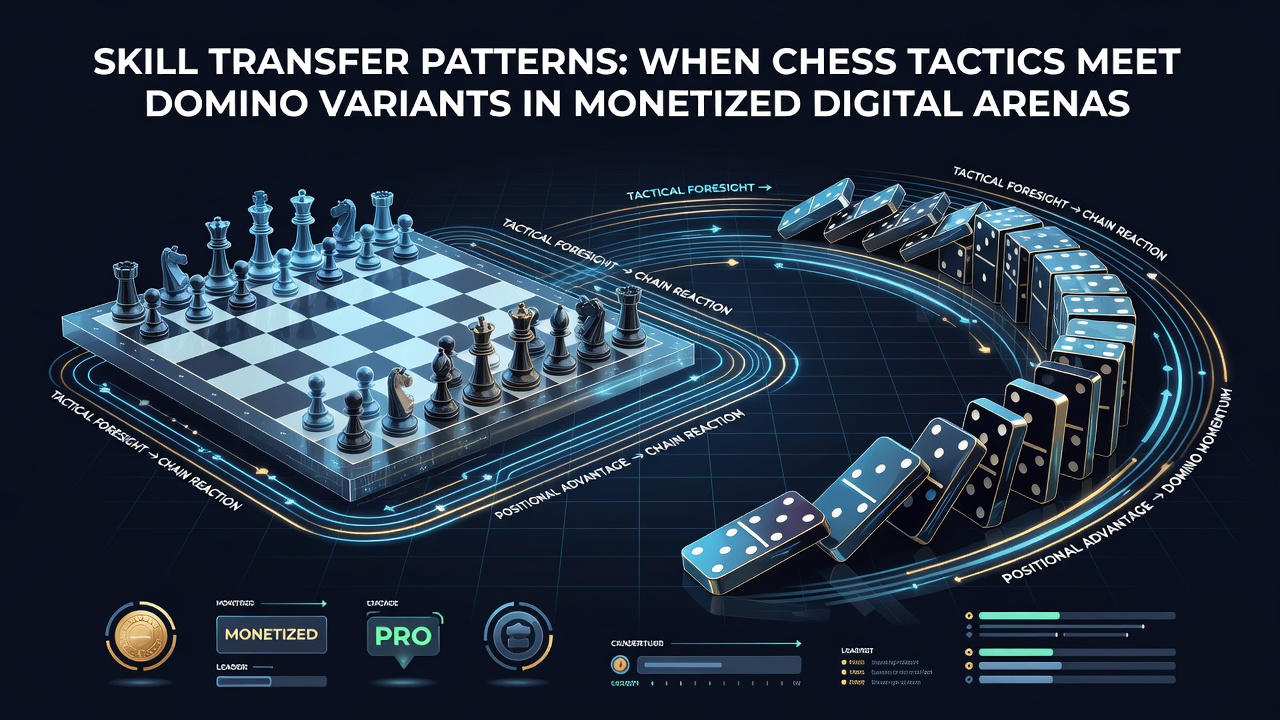
Observers note that cognitive patterns from chess often carry over into domino variants when players enter monetized digital environments where real stakes amplify strategic decisions and data from multiple platforms reveals consistent overlaps in how participants approach both game types during peak activity periods in July 2026.
Researchers tracking user behavior across these arenas have documented how chess-trained individuals apply pattern recognition techniques to domino sequences and this transfer becomes evident in faster decision cycles while participants balance offensive blocking moves with long-term tile management in games like Mexican Train or Block Dominoes played for cash prizes.
Cognitive Mechanisms Driving the Overlap
Studies from academic institutions indicate that both chess and domino variants rely on similar executive functions including working memory and predictive modeling and players who excel in one domain frequently demonstrate accelerated adaptation when switching to the other because chess hones the ability to simulate multiple future states which directly informs domino players' calculations of opponents' remaining tiles and potential draws.
Those who have examined transaction logs from monetized sites report that former chess competitors achieve higher win rates in early sessions of domino cash games compared to novices and this edge diminishes only after extended exposure as all participants converge on platform-specific heuristics though the initial advantage stems from transferable skills rather than game-specific knowledge alone.
Platform Dynamics in July 2026
Digital arenas specializing in paid matches have seen increased crossover traffic and figures from industry trackers show that sessions blending chess tactics with domino variants rose notably during the summer months when promotional events highlighted hybrid strategy challenges and users migrated between game lobbies without losing overall performance metrics.
One researcher who reviewed anonymized data sets discovered that participants employing chess-derived branching analysis in domino play maintained steadier bankrolls over time whereas those relying purely on intuition experienced sharper fluctuations and these patterns hold across regions served by different regulatory frameworks including oversight from the Malta Gaming Authority and reports aligned with Canadian provincial standards.
Evidence from Real-World Player Transitions
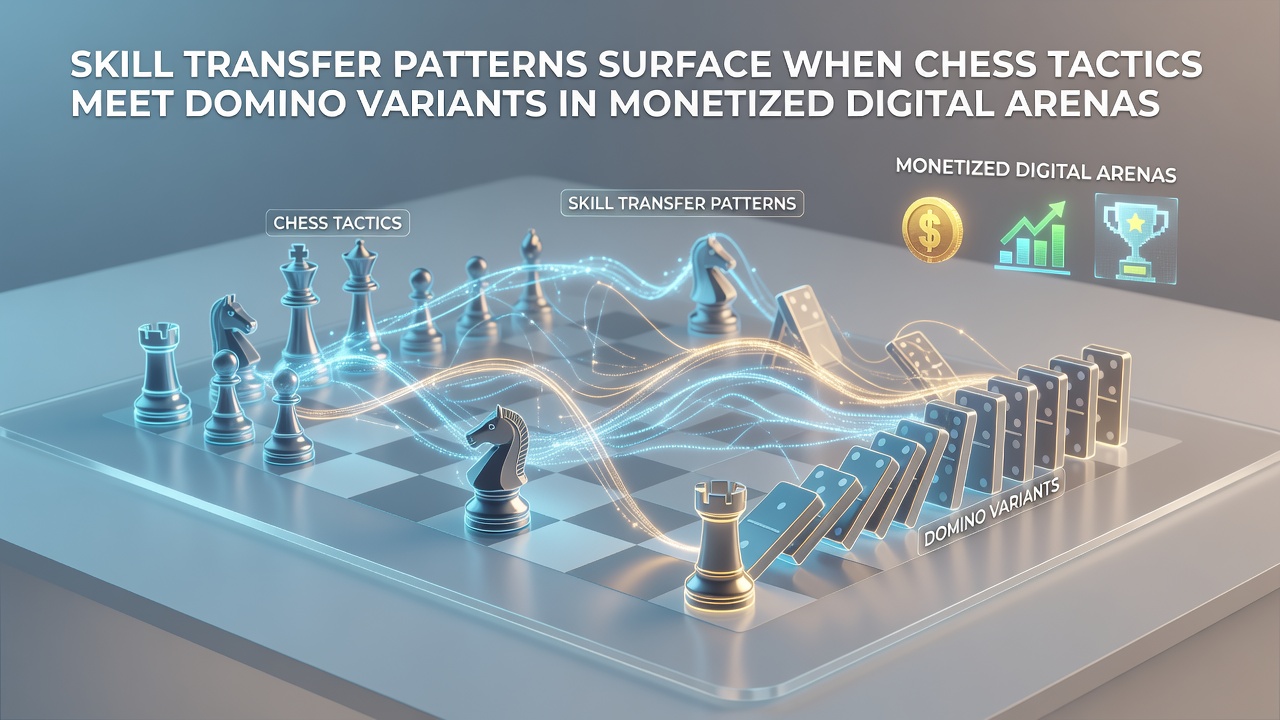
Take one case where experts followed a cohort of online competitors who started in chess cash tournaments before shifting focus to domino variants and the group displayed measurable improvements in tile efficiency calculations within the first month of crossover play according to aggregated performance analytics shared by platform operators.
What's interesting is how monetization intensifies these transfers because financial incentives encourage deliberate practice of overlapping skills and data indicates that players consciously review chess endgame studies to refine their approaches to late-stage domino configurations where few tiles remain and every placement carries higher risk.
Yet not every transfer proves seamless and researchers have observed temporary dips when players overapply chess-style aggression to domino blocking scenarios that reward patience instead and recovery typically occurs once individuals recalibrate through repeated exposure in the same monetized environments.
Broader Implications for Skill Development
Industry organizations such as the International Game Developers Association have noted rising interest in tools that map cognitive skill graphs across game genres and developers now incorporate features allowing users to import chess analysis engines into domino training modules for targeted practice sessions.
Additional findings from the Australian Gambling Research Centre highlight that participants who leverage transferable tactics report sustained engagement levels and lower attrition rates in cash-based domino circuits compared to those entering without prior strategic backgrounds.
Conclusion
Patterns of skill transfer between chess and domino variants continue to emerge clearly in monetized digital arenas as players apply shared cognitive tools to navigate both tactical depth and probabilistic elements and ongoing data collection through 2026 promises further clarification on how these overlaps evolve under varying stake levels and platform designs.